
Our School Farm
Welcome to our school farm page! Here you can learn all about our five pygmy goats, our chickens, ducks, rabbits and poly tunnel, and how we incorporate each into our Adventurous Curriculum through our Responsibilities Program. These job descriptions are for pupils who are encouraged to apply for responsibilities in school; we need everyone to help!
Goat Keeper Duck Farmer Chicken Farmer Rabbit Carer Guinea Pig Carer
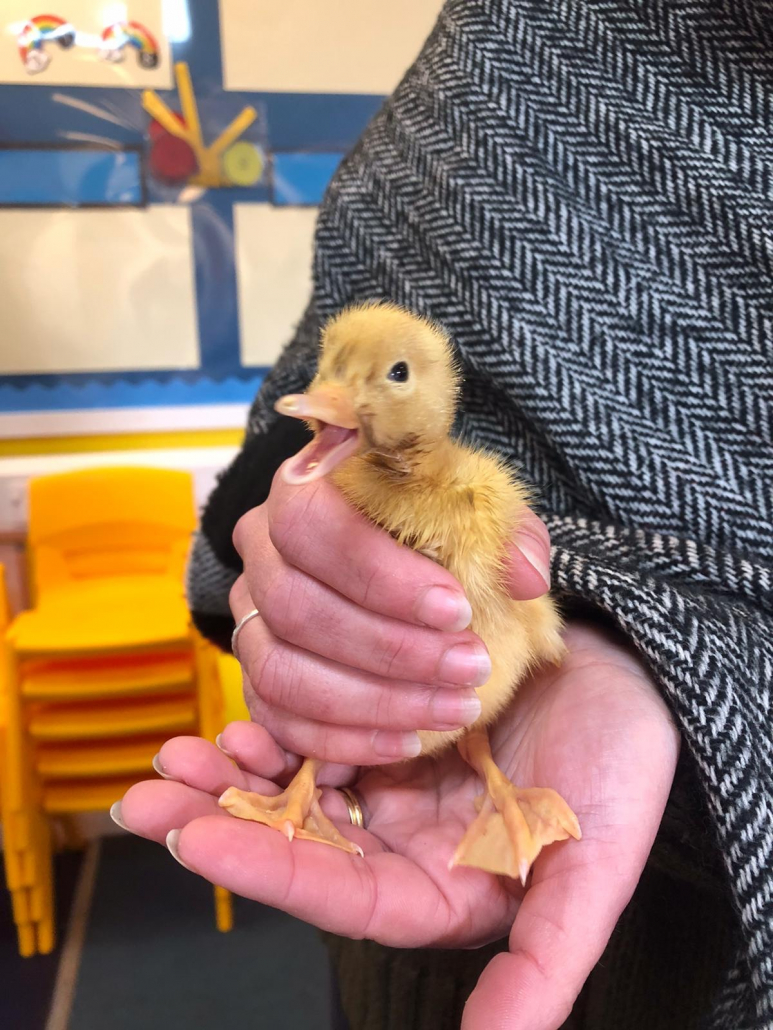
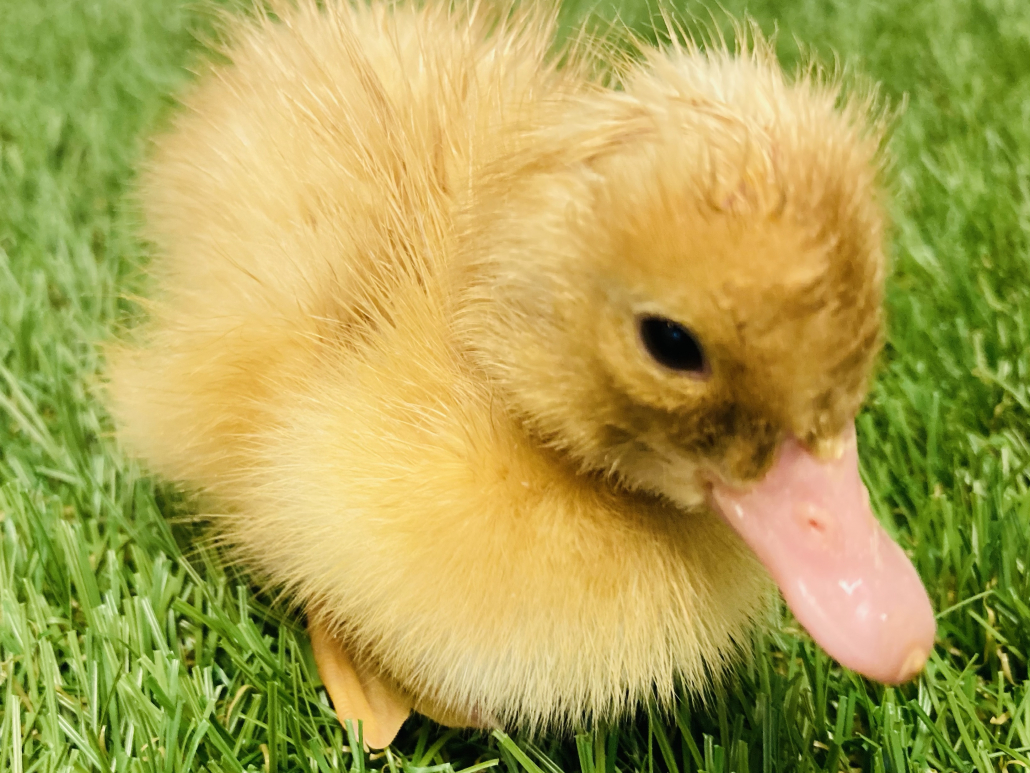
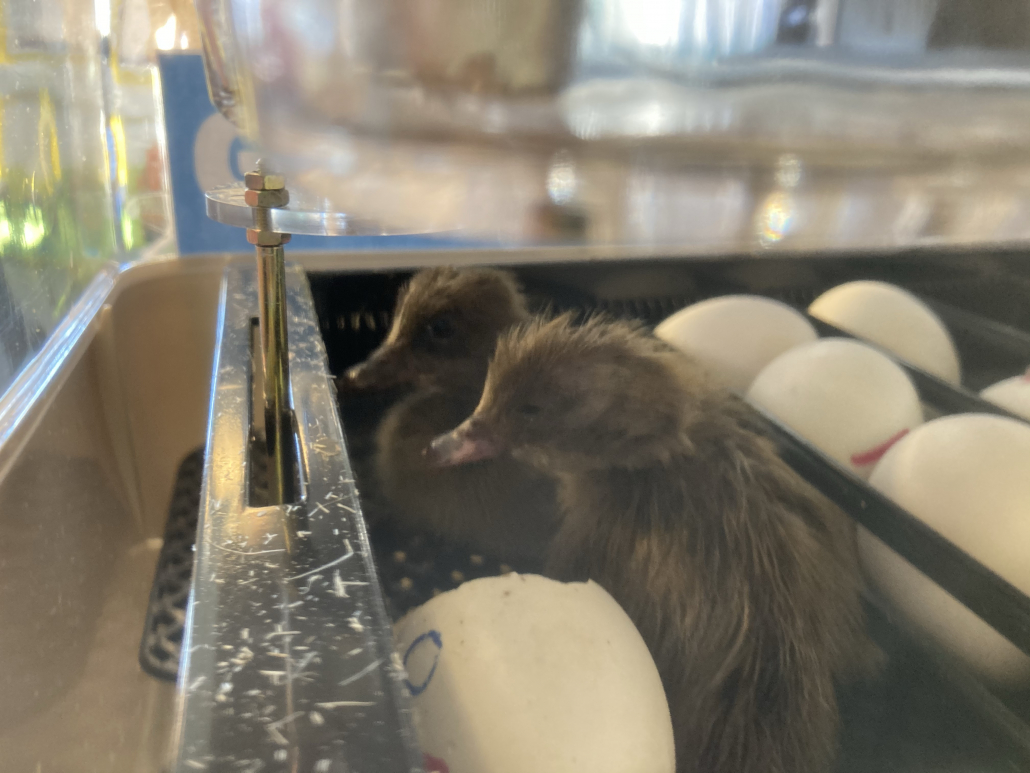
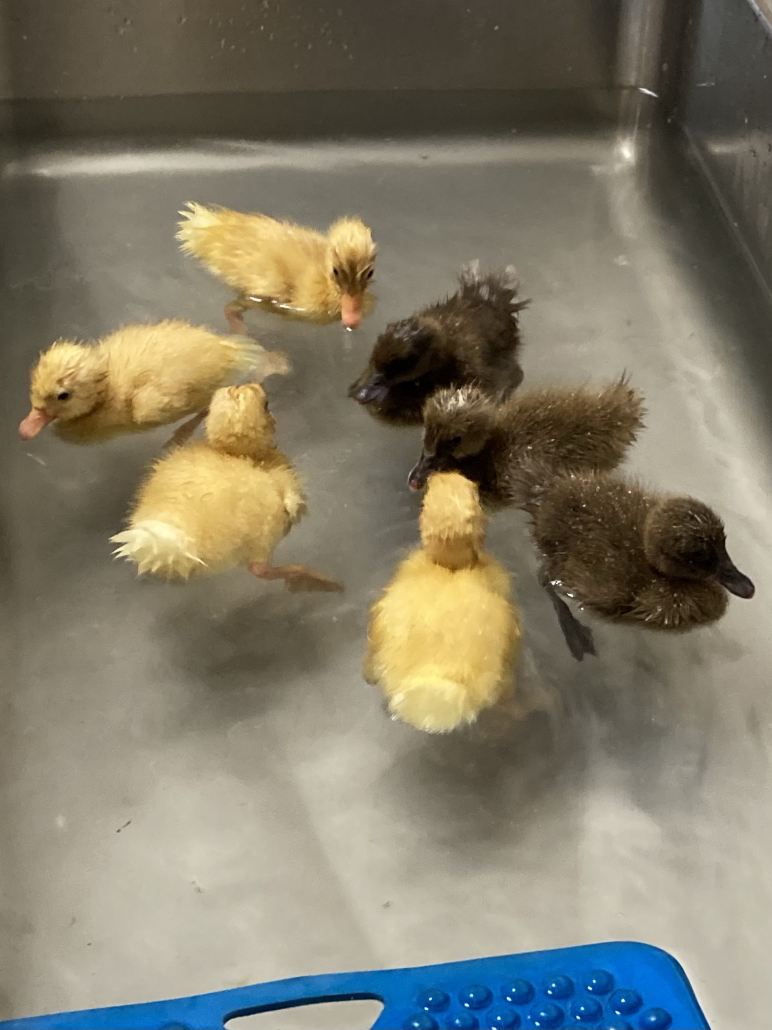


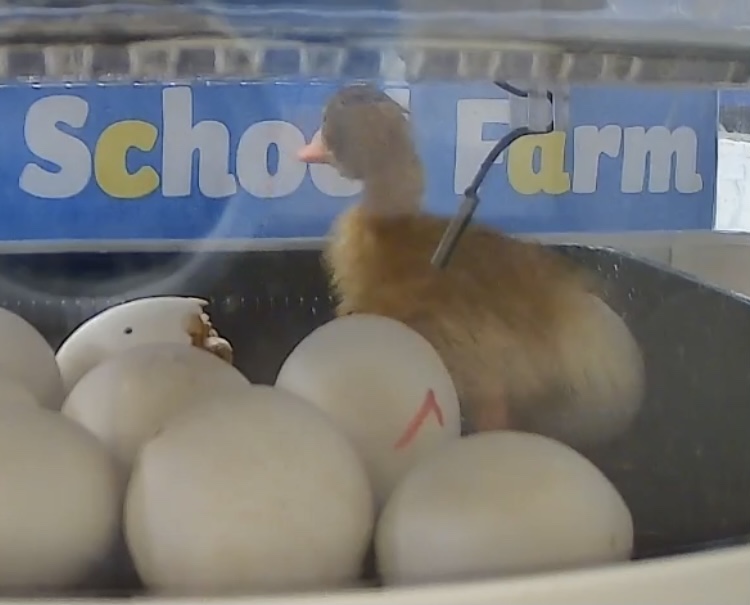
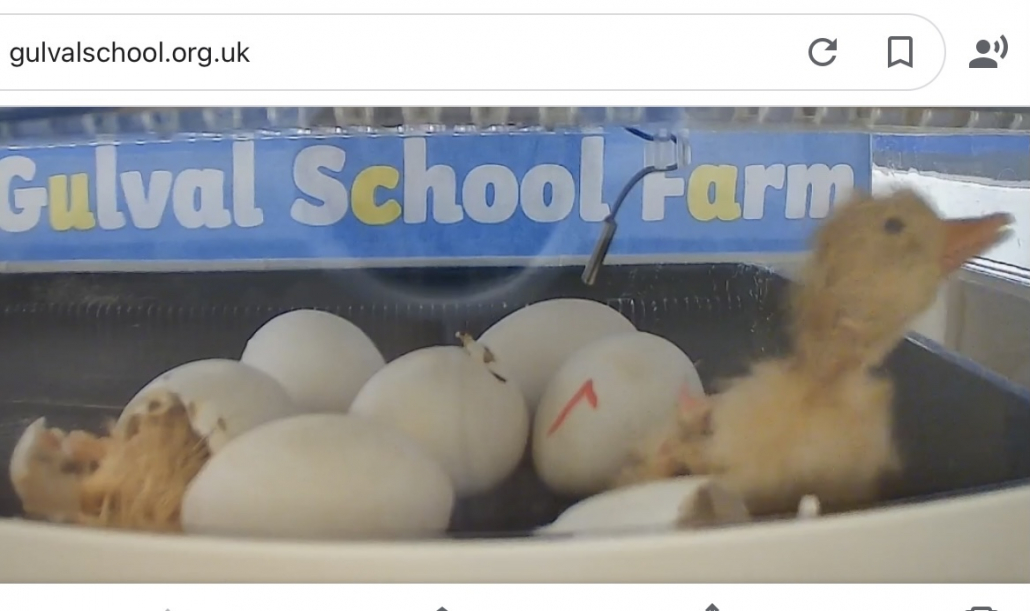
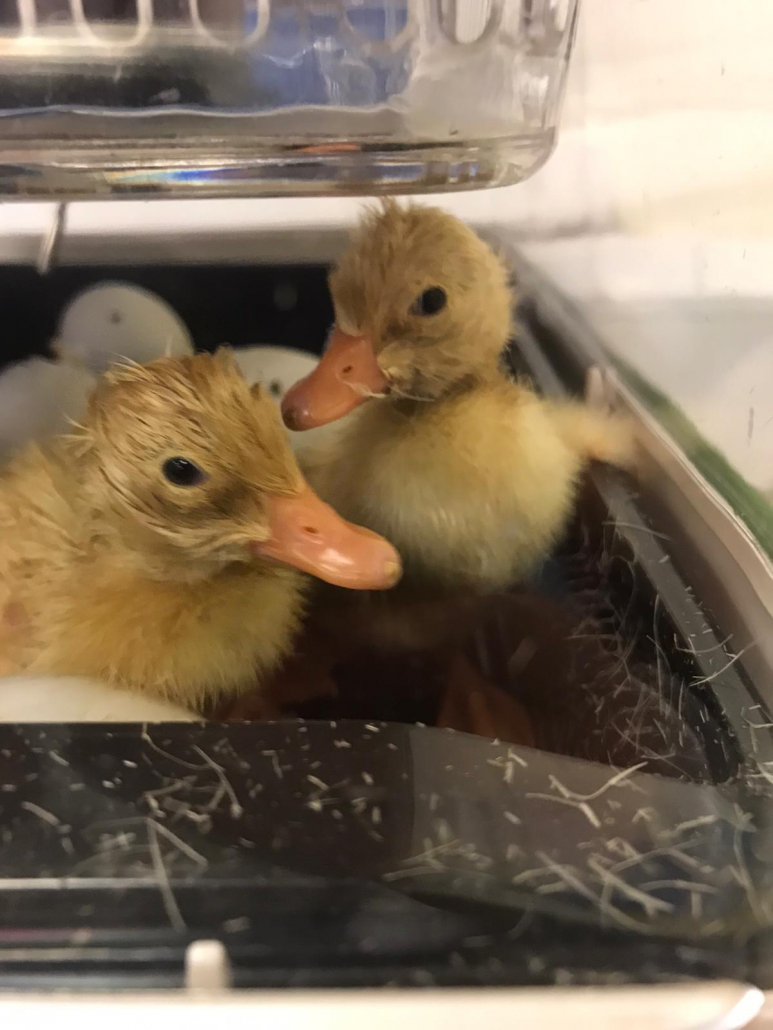
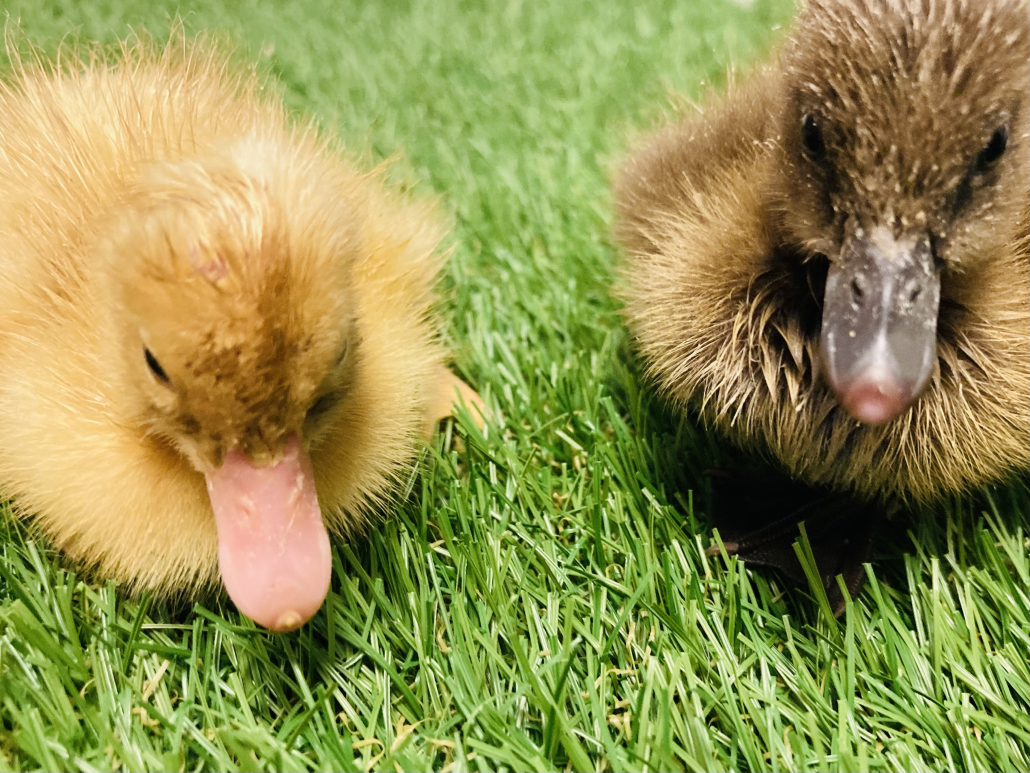
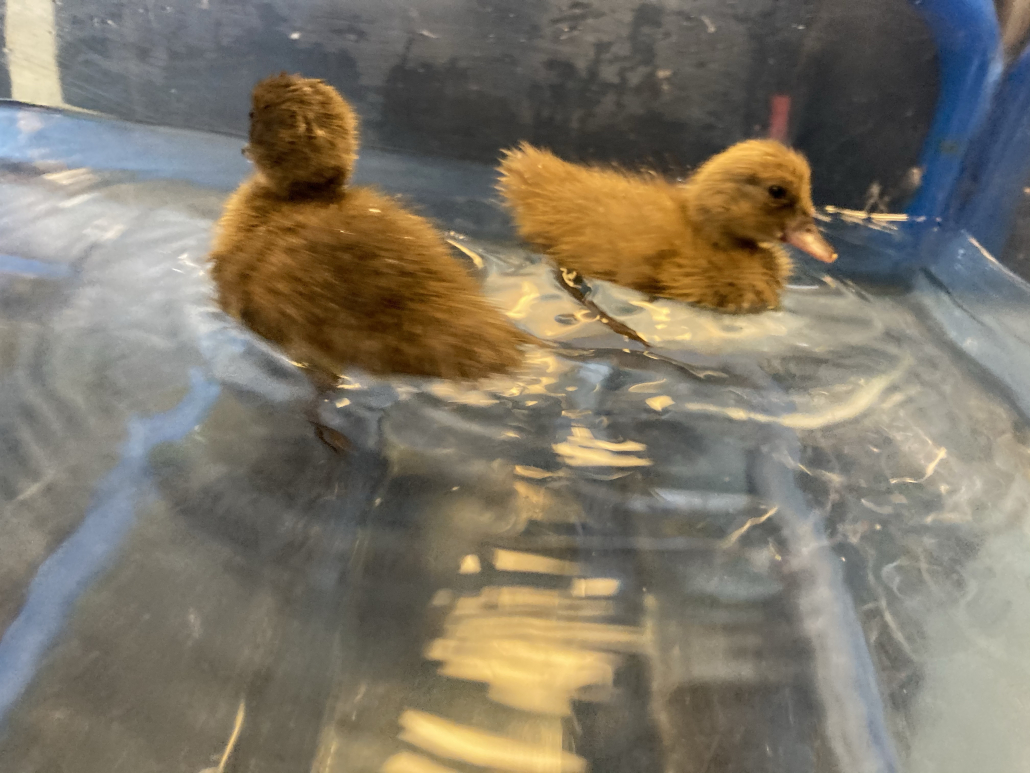
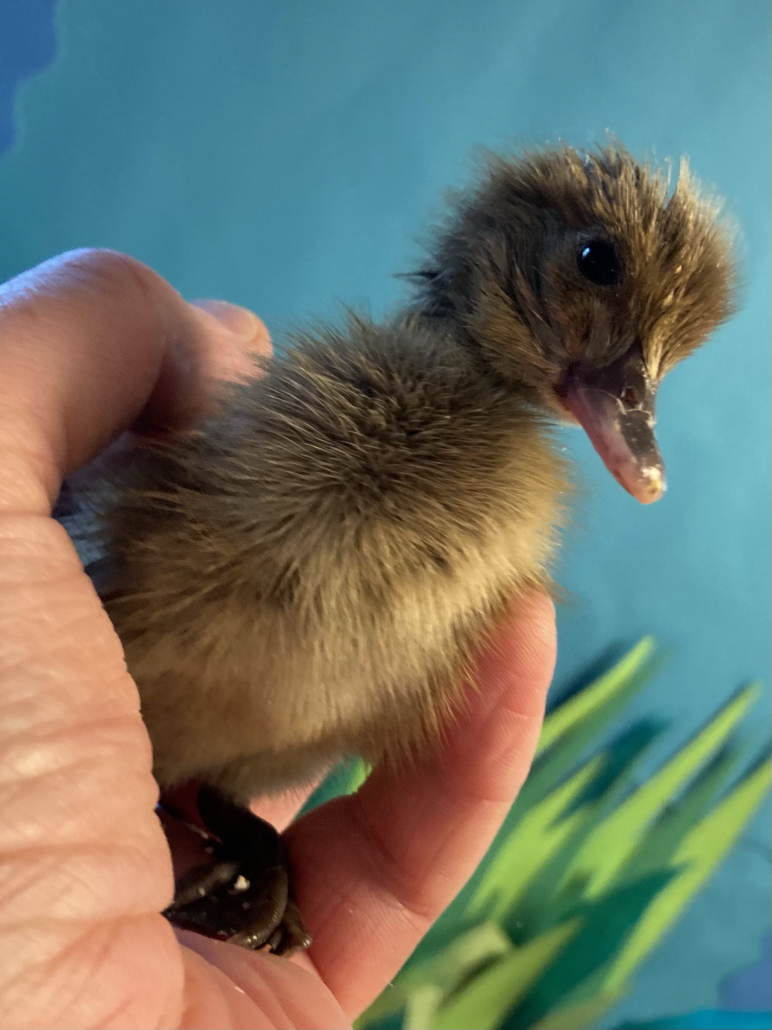
We are super Egg-cited! We have hatched two breeds of ducks, Cherry Valley and Cherry Valley cross Khaki Campbell. These are great egg layers and are super friendly.


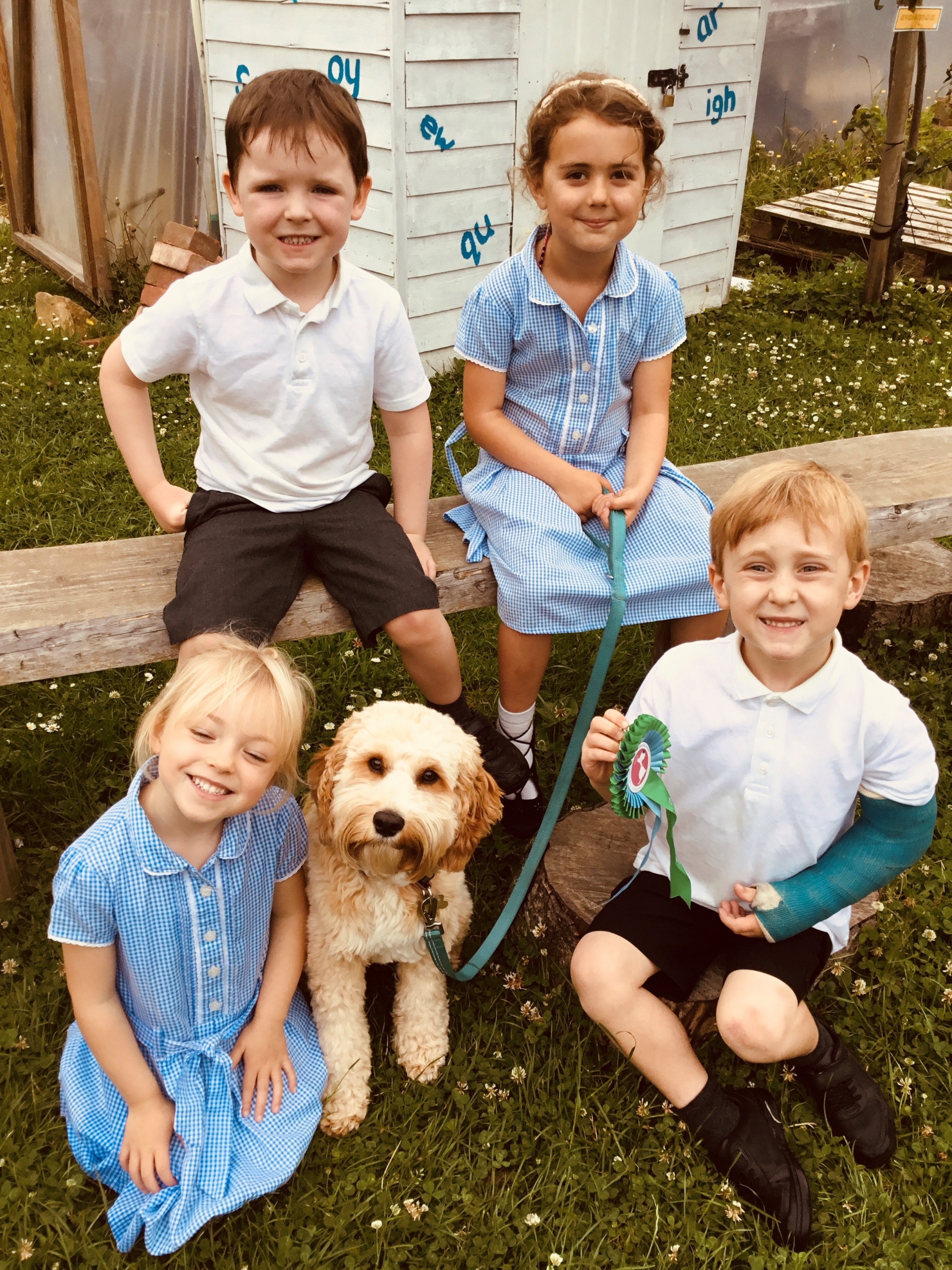
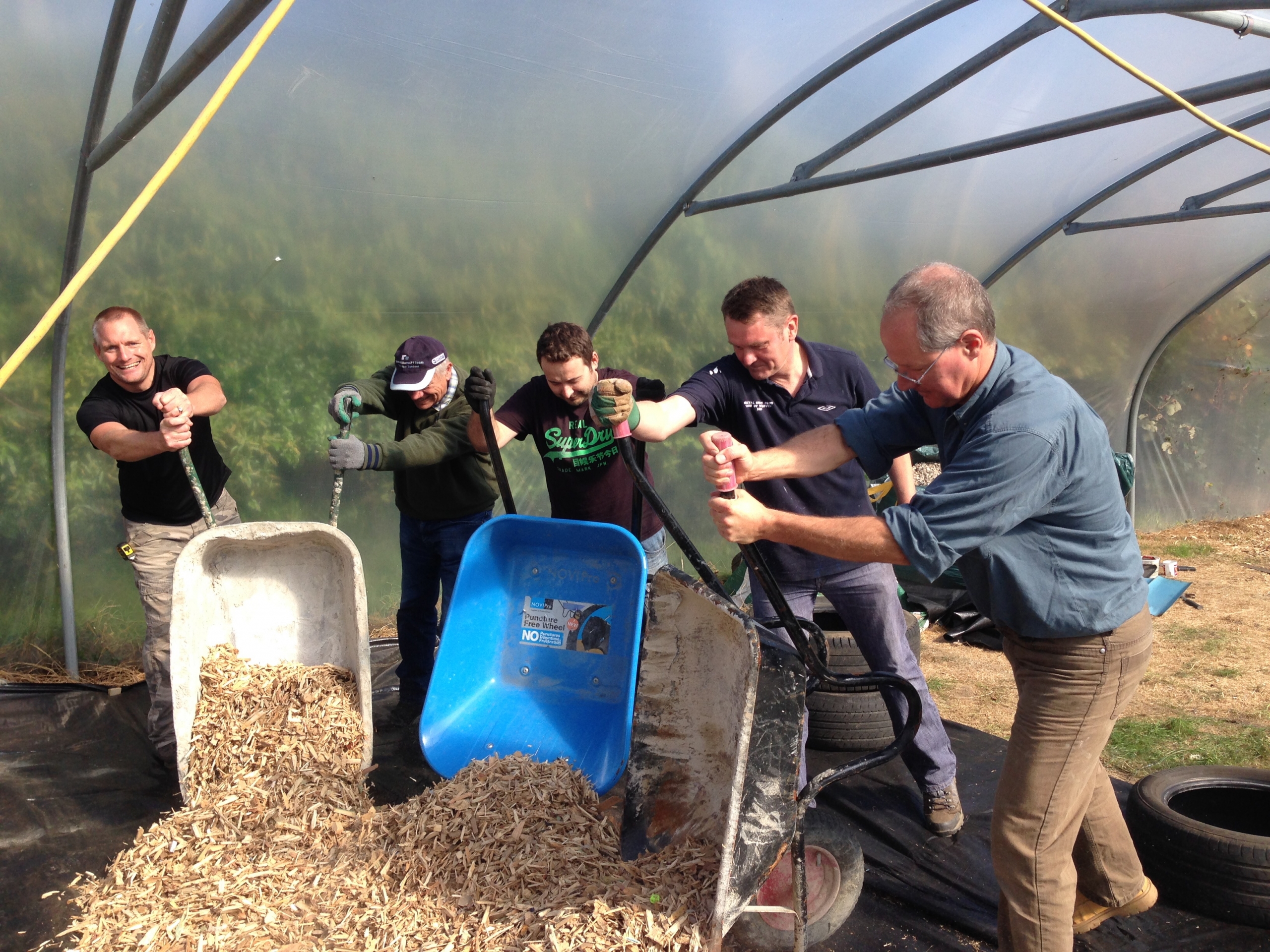
We built the poly tunnel ourselves at Big Dig events and are very proud of it. Everyone loves harvest time!
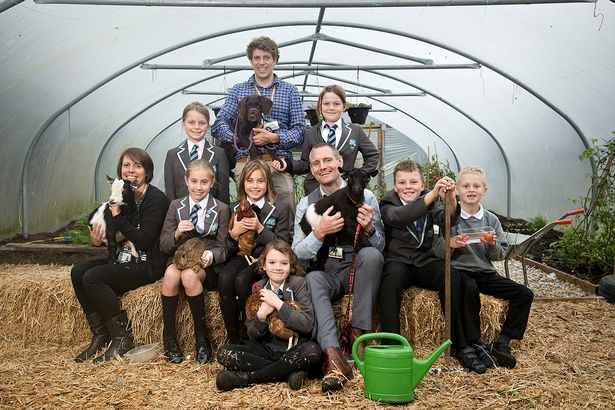
Caring for our school animals builds a sense of responsibility in children, helps develop empathy and an increased awareness of the needs and feelings of others. It also helps them become connected to their community, families too. All our animals are a part of our school family.


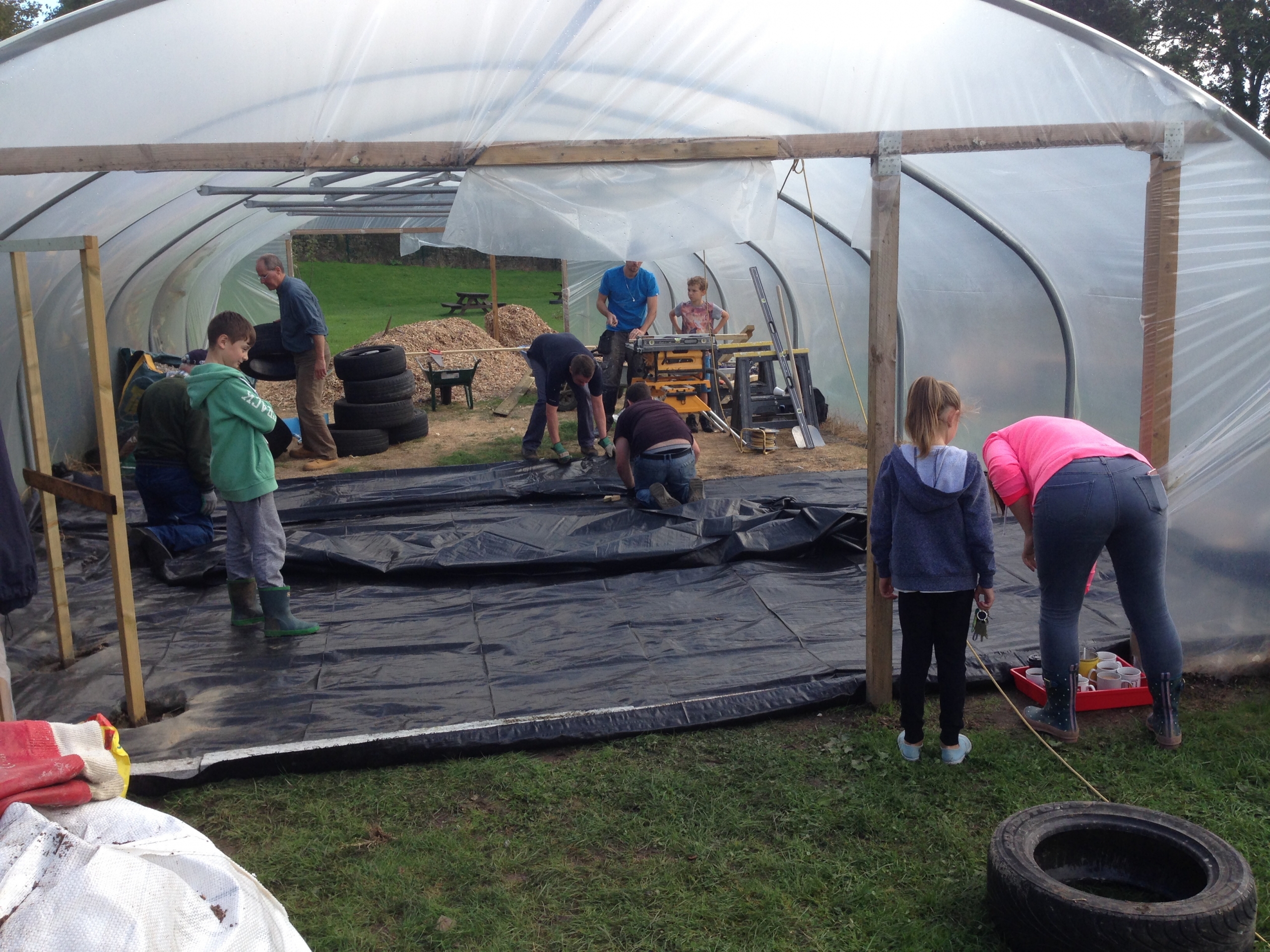
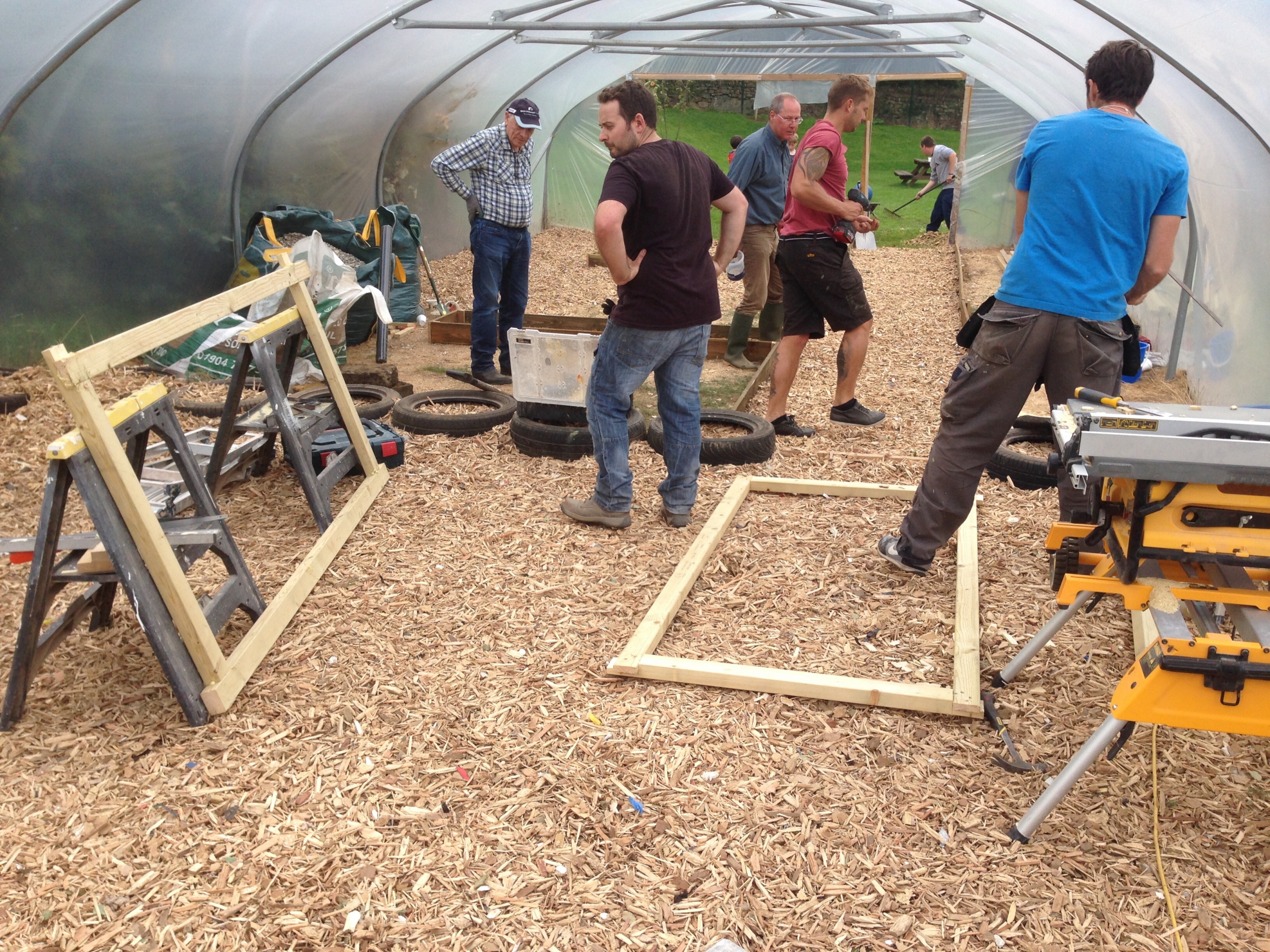
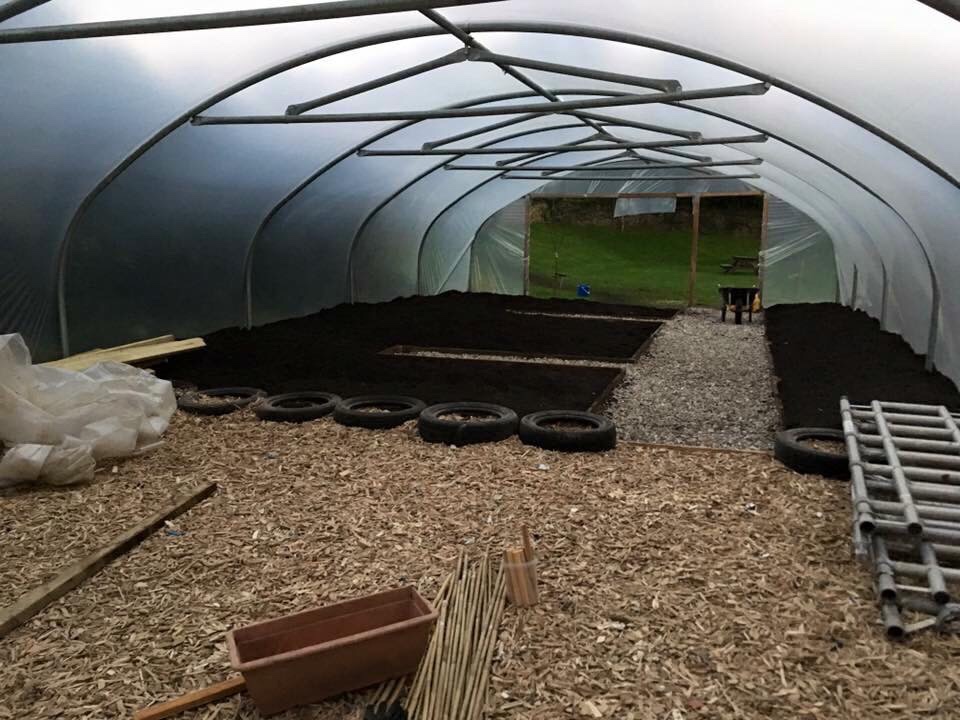

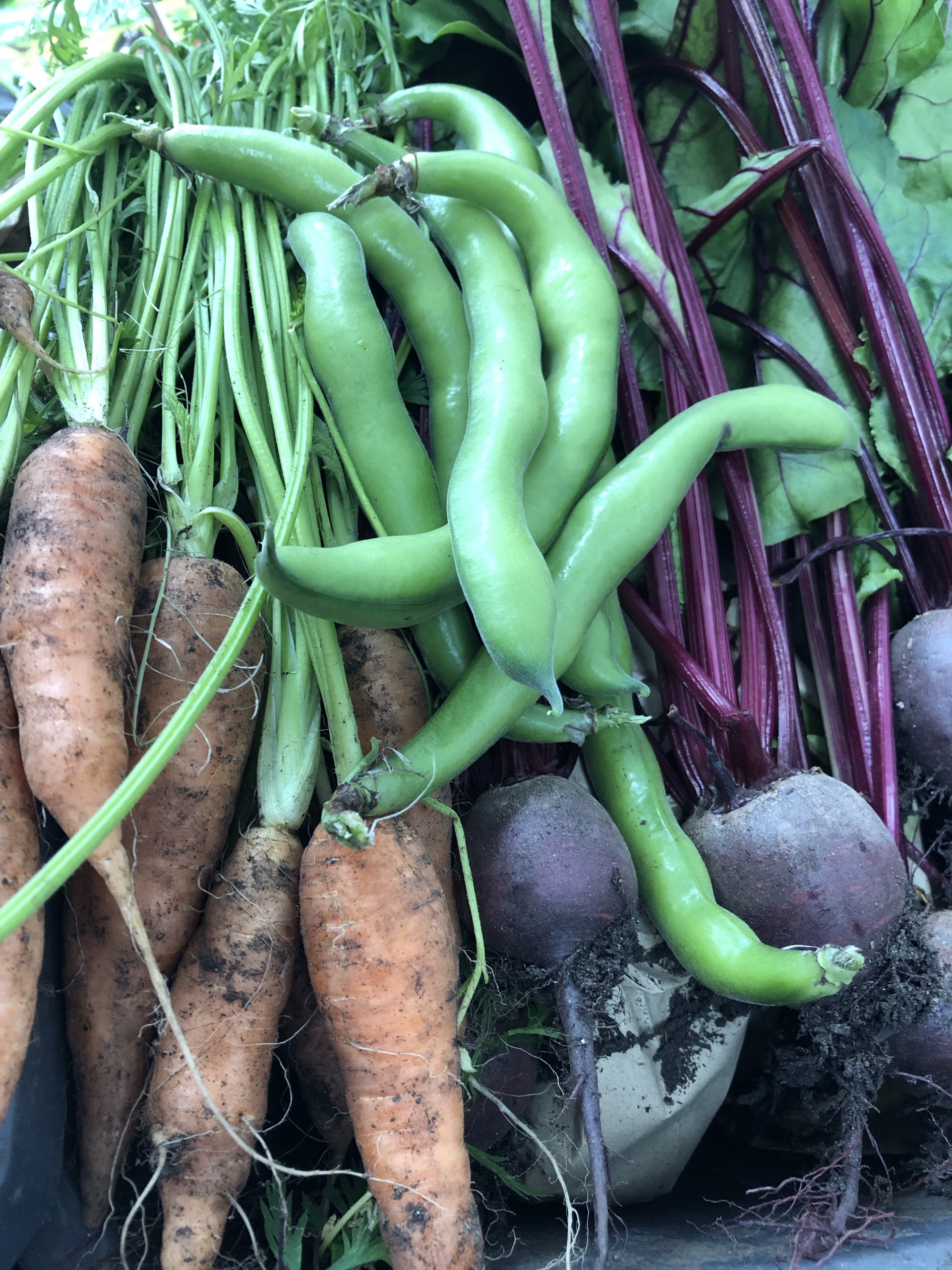
We work hard to grow a variety of produce in our poly tunnel. At our last Big Dig event we raised over £47 selling produce from our pop up shop.
After planting and harvesting produce themselves, would you believe our pupils chose radish over ice cream one hot summers day? It’s true!
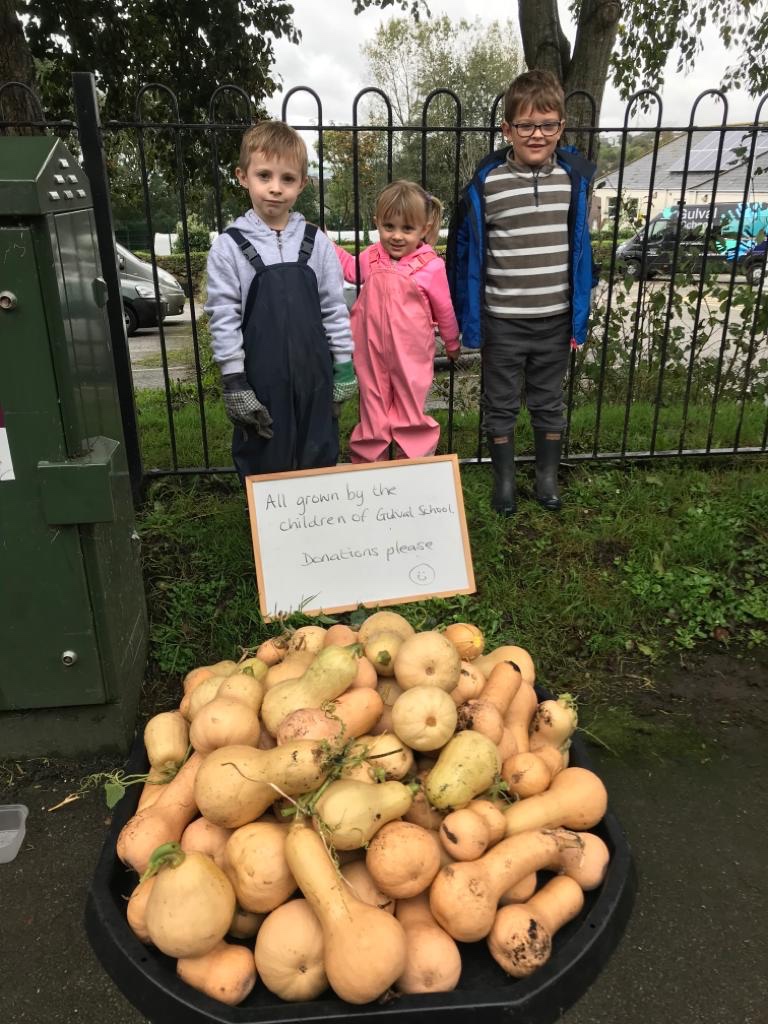
Oh, if we grow squash again, we’re going to need a bigger wheelbarrow!


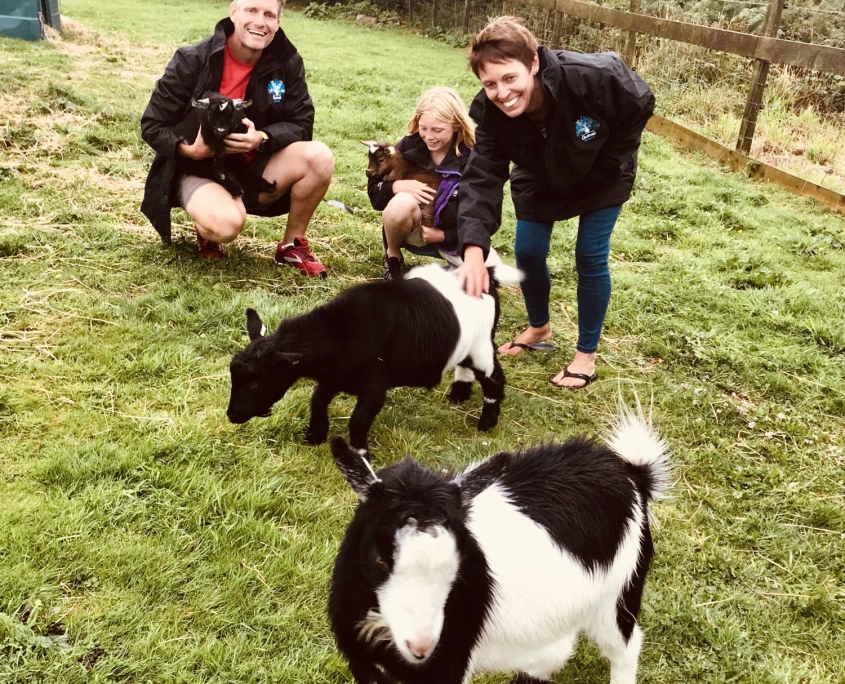
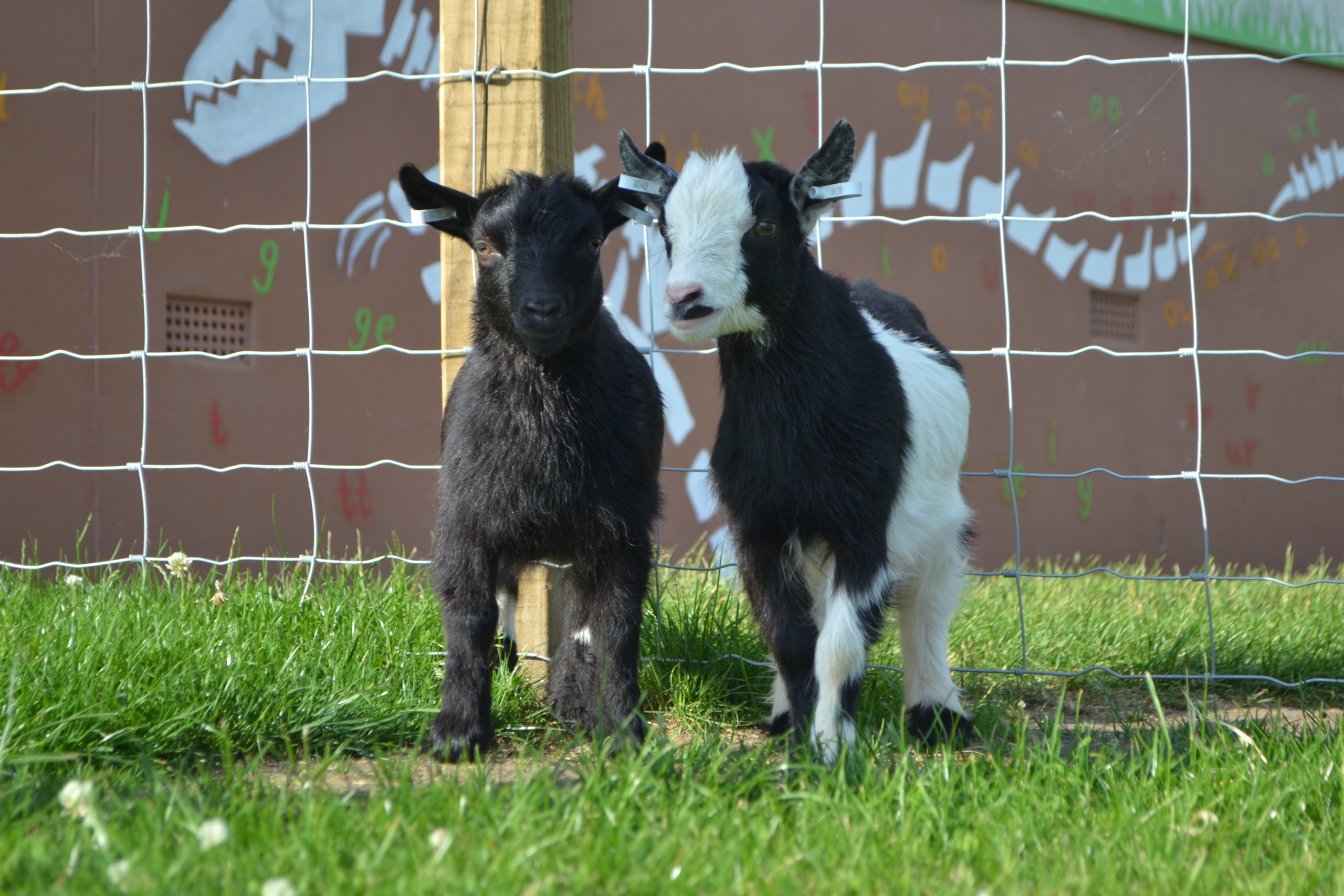
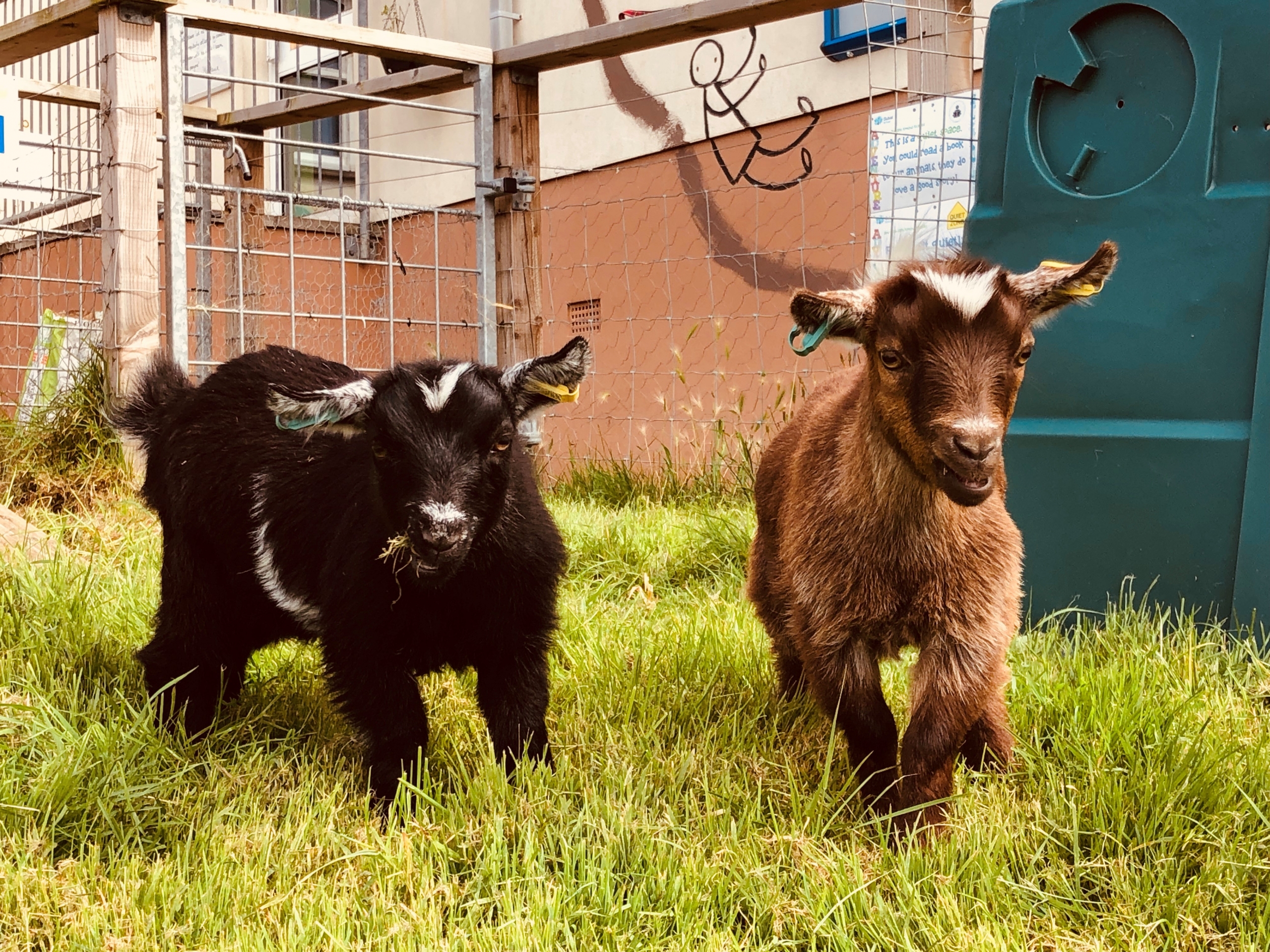
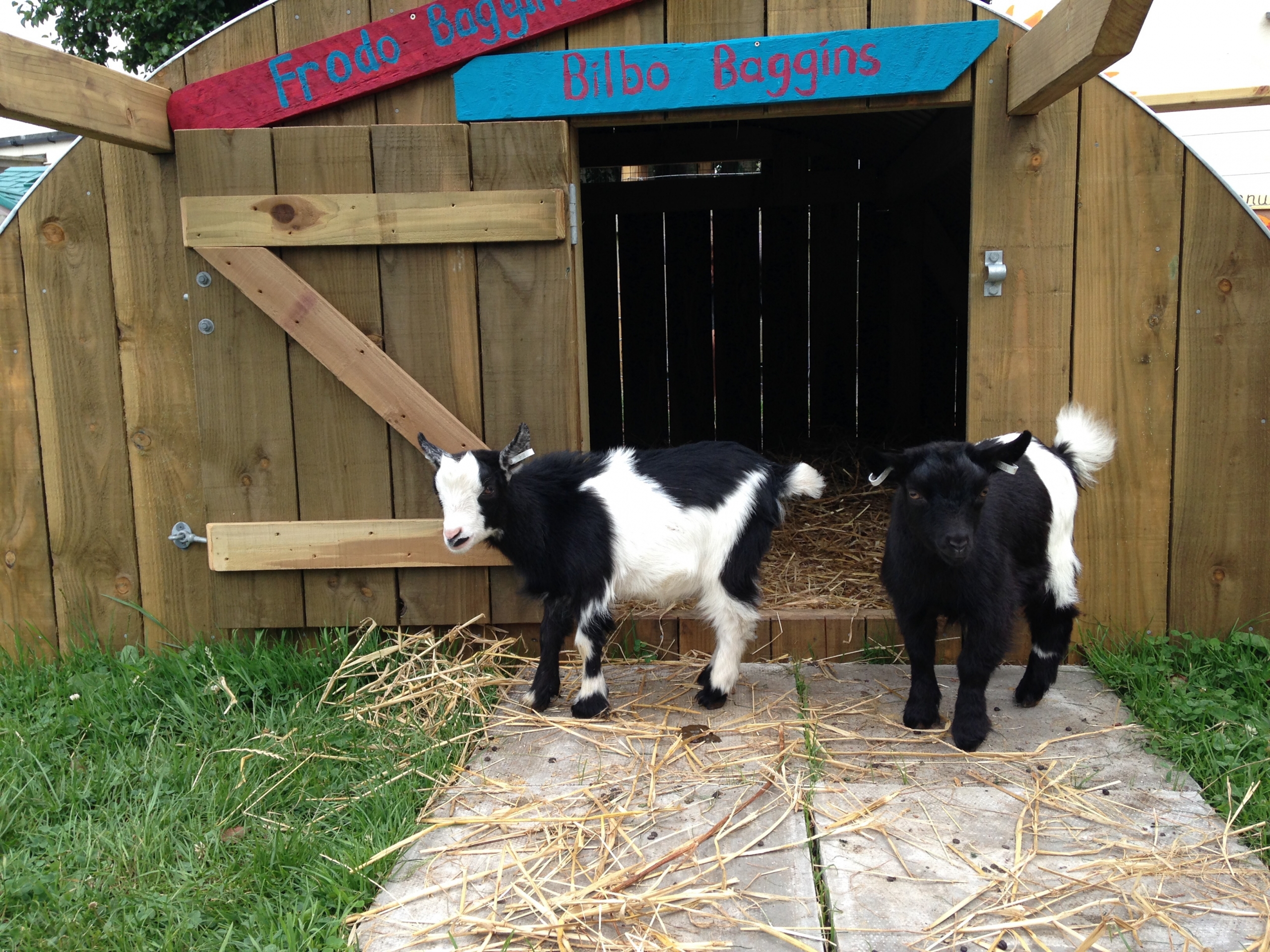
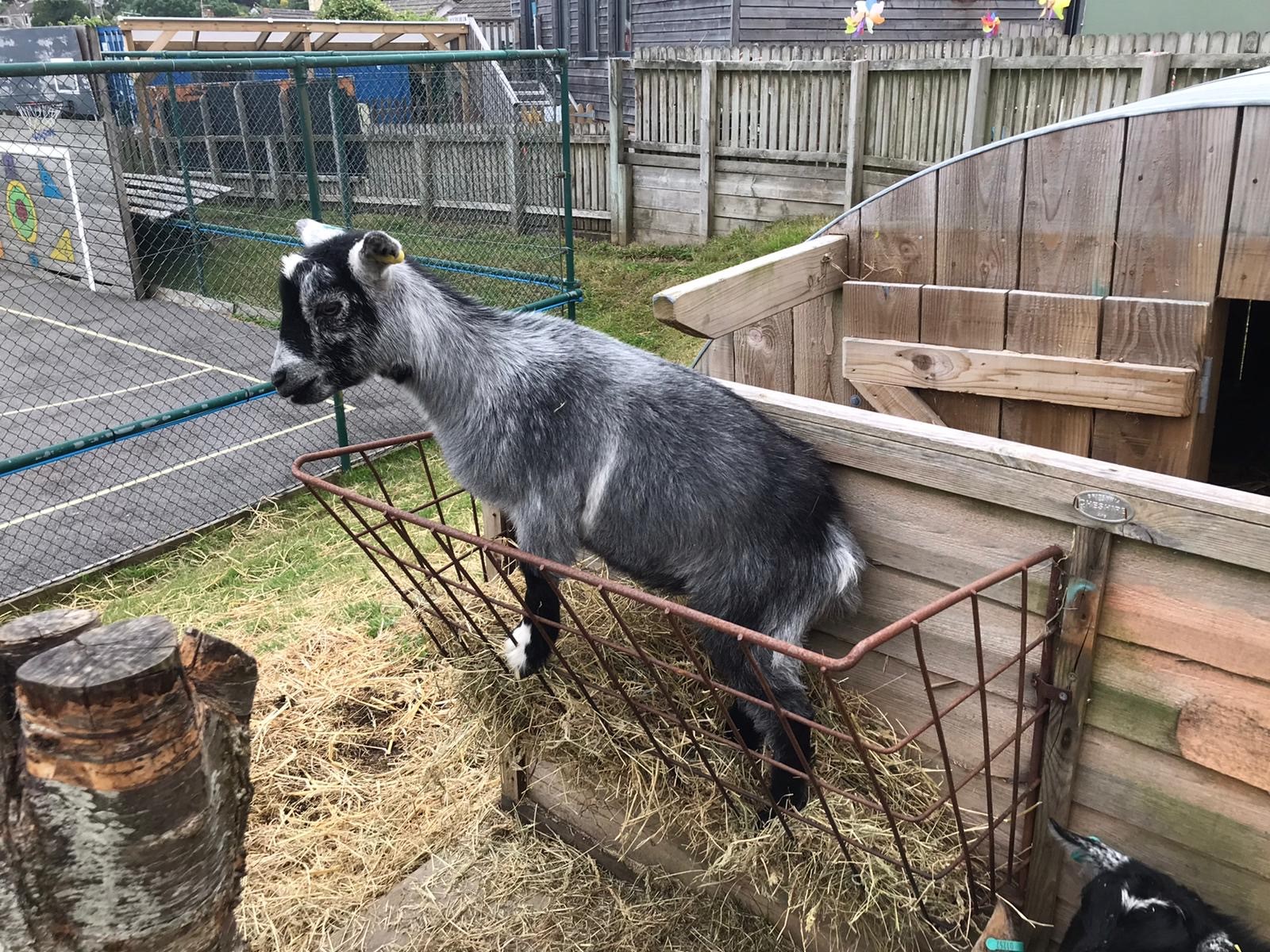
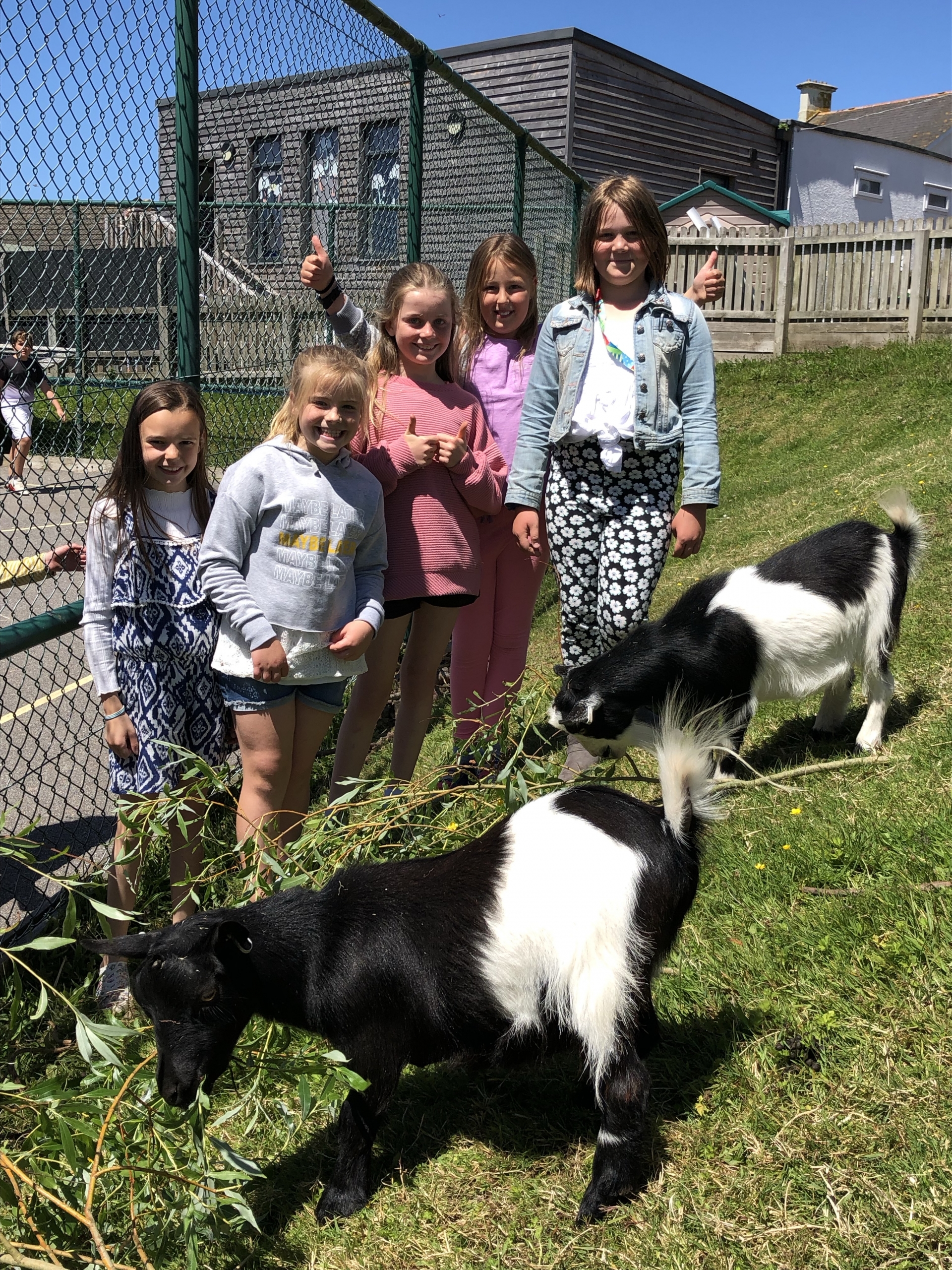
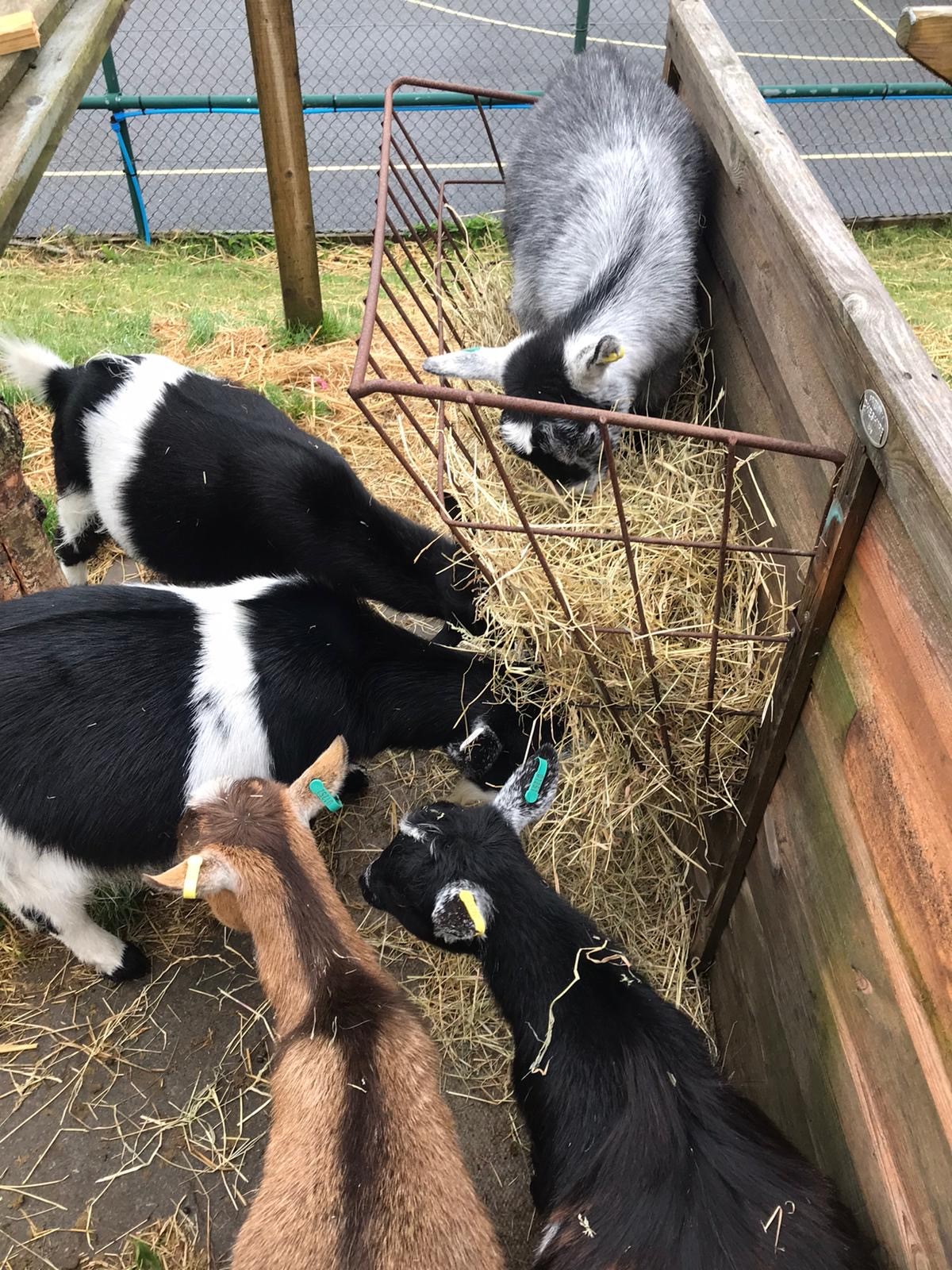
Meet our gorgeous pygmy goats Bilbo and Frodo Baggins, Hedwig and Dobby and our latest addition Baloo!

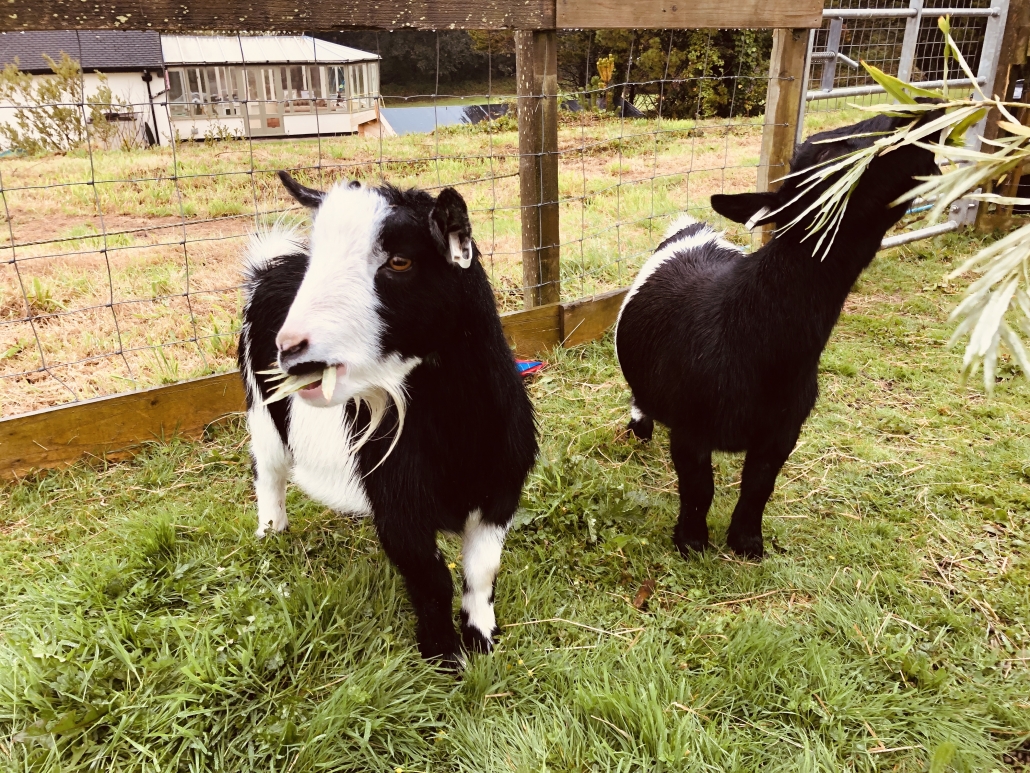
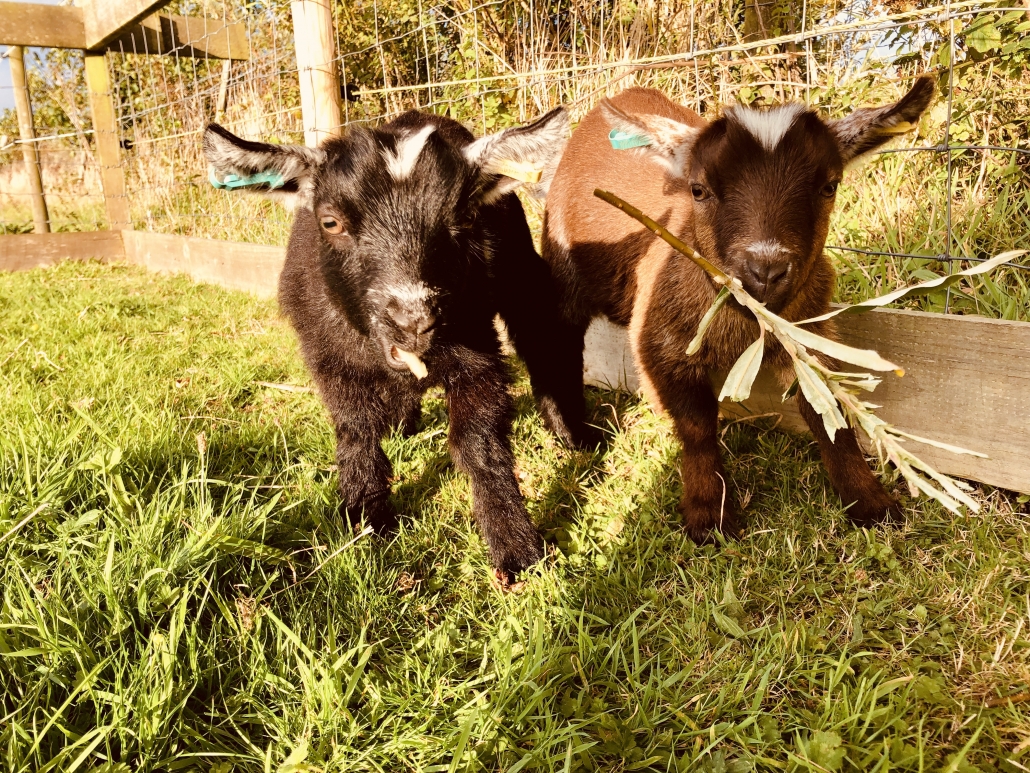
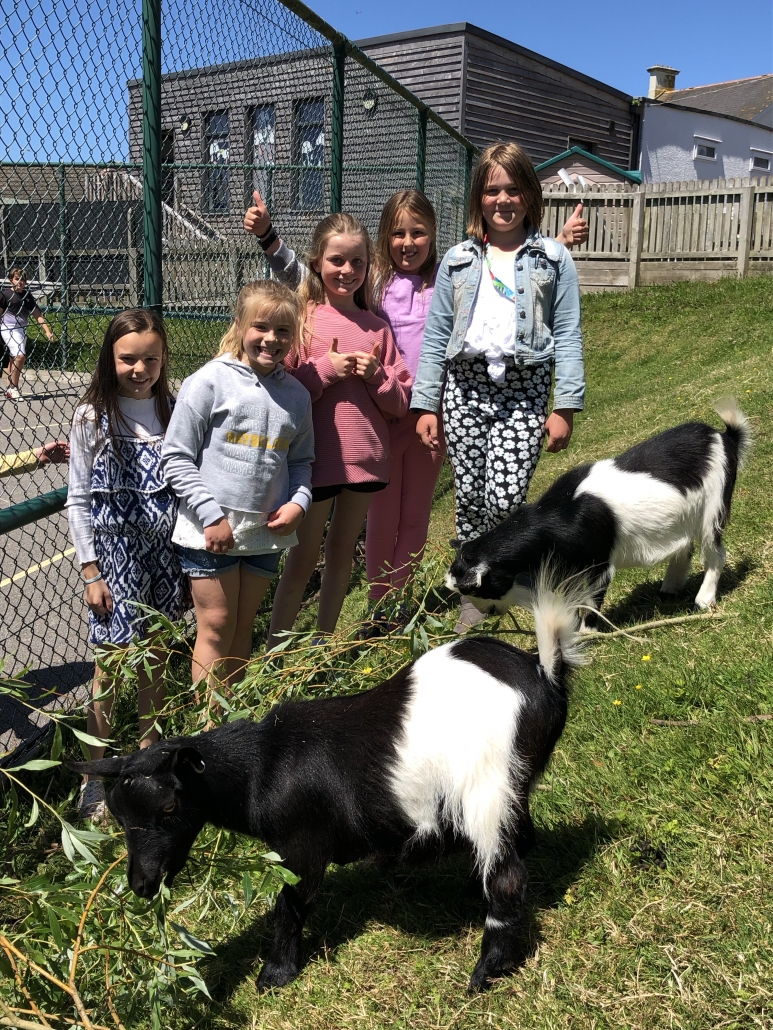
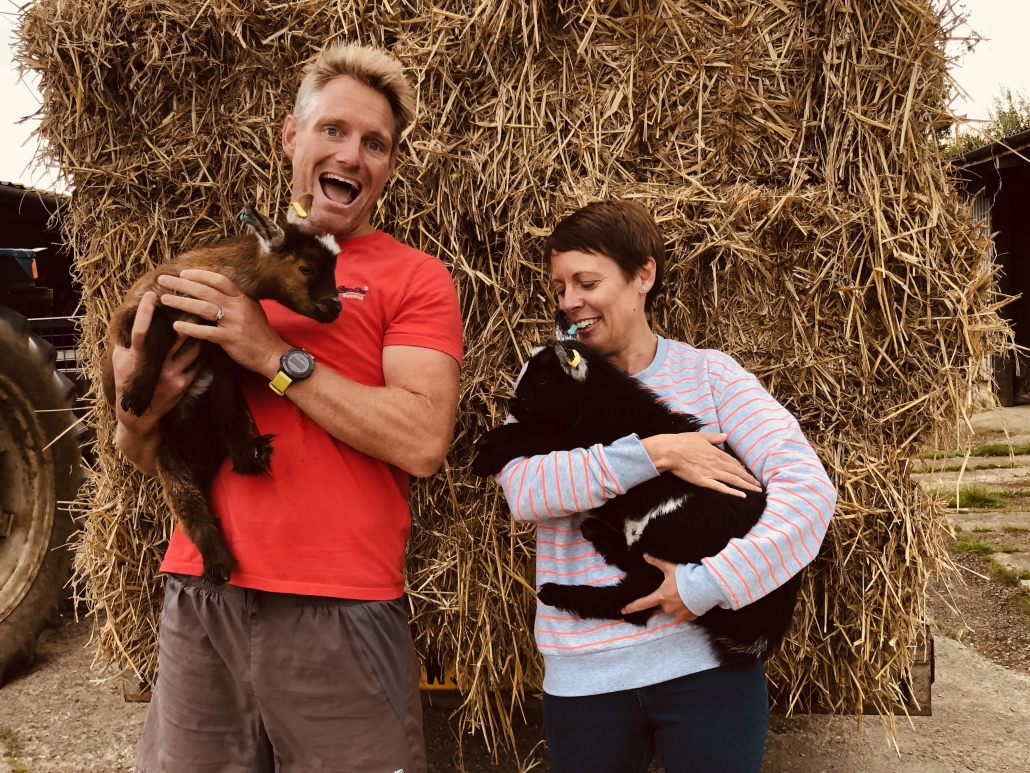

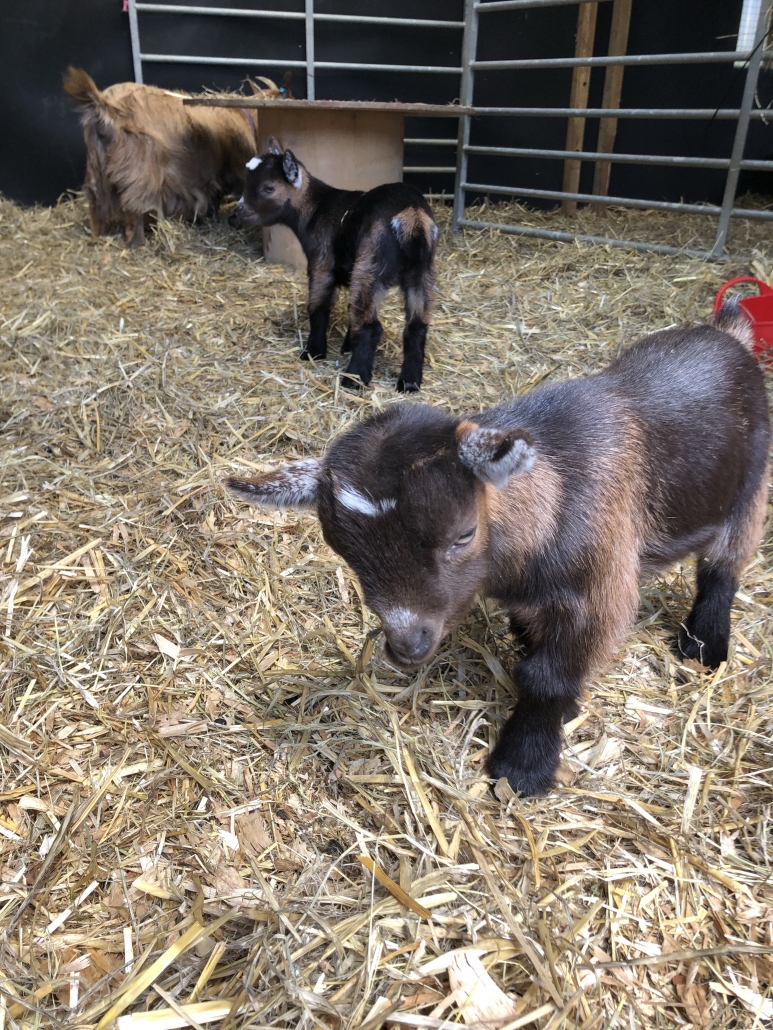
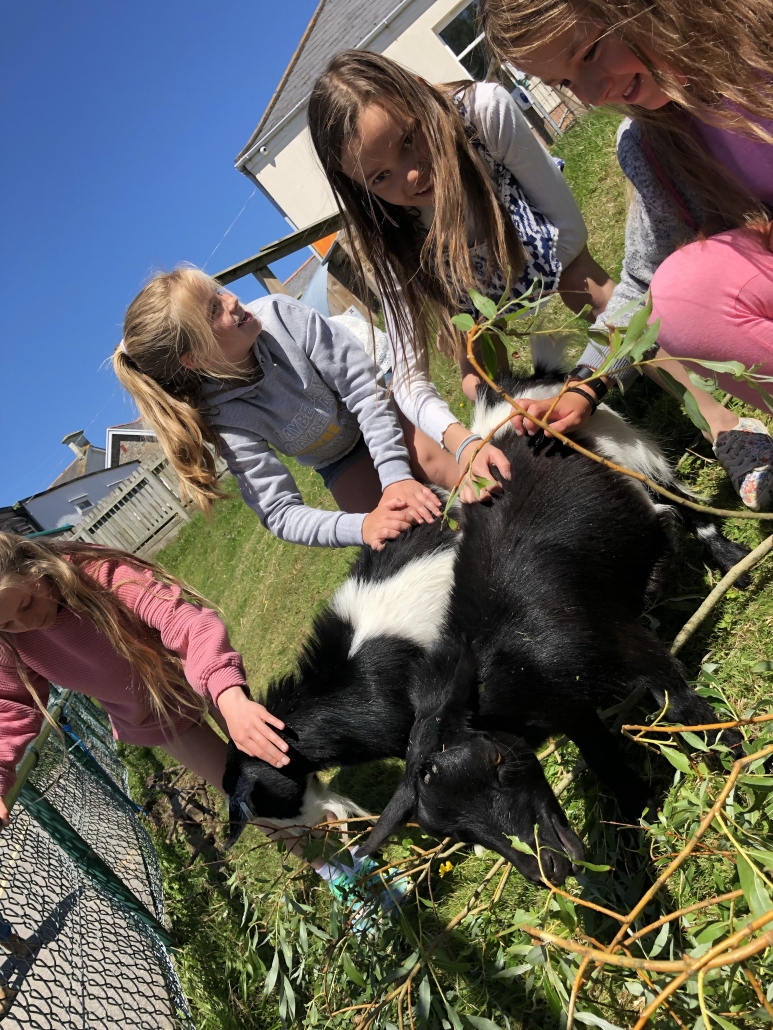
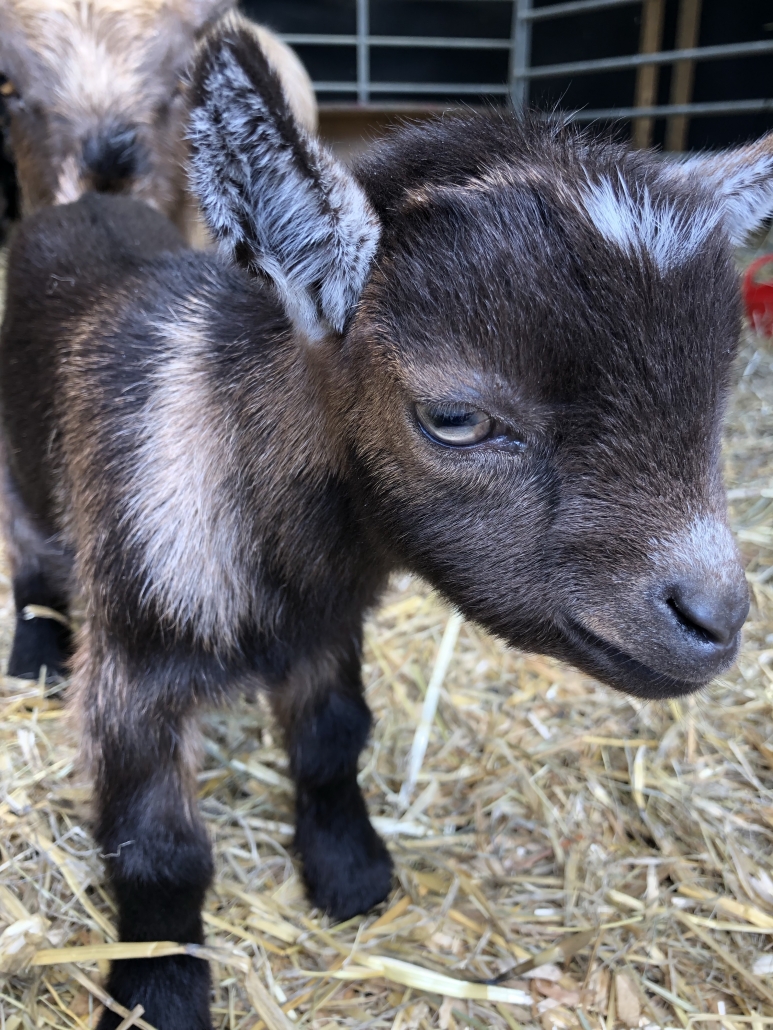
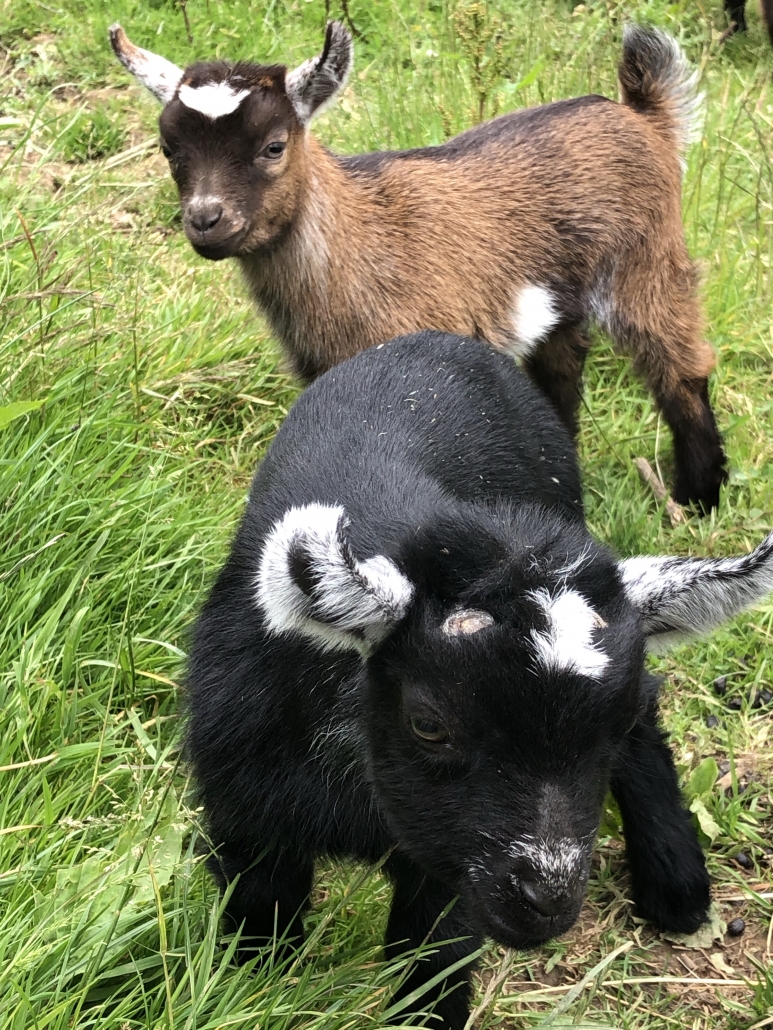

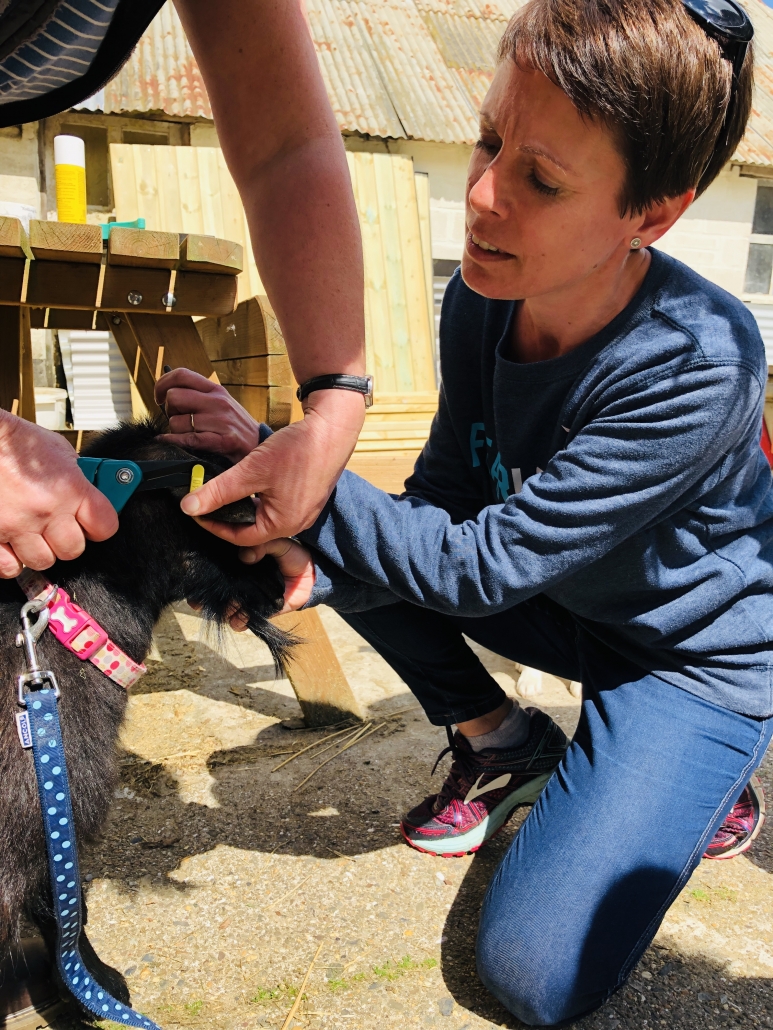
Bilbo and Frodo have been a part of our school family since 2017 and have brought us so much joy. Hedwig and Dobby arrived from South Yeo Farm in the summer of 2019 and are such characters! Our latest addition arrived in June 2020 and we can’t wait to get to know him.
Mrs Davies (bottom right) looks after our animals in school, she is amazing!
We take great pride in ensuring that our animals have the very best care and that staff are highly trained; capable and confident to higher welfare standards. We headed to South Yeo Farm to train in basic animal husbandry and all came home with a certificate, it really was an amazing day.
We enjoy working with Rosevean Vets and love it when Zac comes to visit. He completes a health check on all our animals and ensures that they have their vaccinations when they need them too.


Here’s the evidence and the potential impact
School Farms Research Document: The Living Classroom
Current research into the educational and social benefits of school farms, the issues it hopes to address concerning food sources, healthy eating and sensitising young people to food security and sustainability.
Improving the quality of student learning through school farms
This is the report of a project to build joint understanding of how school farms might improve the experience of young people’s learning. It was a partnership between the School Farms Network (SFN) and the Department of Educational Research, Lancaster University.
The Value of an Outdoor Classroom
A Natural England-funded project to demonstrate the enormous benefits of outdoor learning to children and develop a model of using ‘hub’ schools to support and deliver training to help more than 40,000 primary and secondary schools support pupils in getting out of their classrooms and into the outdoors – whether that’s a Maths lesson in a local park or drama out on the school field.
School Farms: At The Heart Of Outstanding Schools
The School Farms Network is aimed primarily at head teachers and education policy makers to highlight the wide range of benefits and positive effects on learning that school farms can bring to a school, its teachers, students, and the local community.
Thinking of starting your own school farm?
As you can see, we absolutely LOVE our school farm. So how did we do it? And how can you do the same in your own school?
So your first task is to dream big! There is a lot of planning and thought involved with having animals on a school site. When we first embarked on our journey we had to make many considerations surrounding which animals would suit us as a school and which animals would be most beneficial to our children. Alongside this we had to consider our outdoor spaces and carry out in depth risk assessments.
Our Top Tips
1. Consider outdoor spaces – It is important to look at what space you have and what animals will be best suited. Our biggest outlay of cost was fencing and building a secure paddock for our gorgeous goats. We have loved training our goats to walk with us during our daily k a day although our goats also include roaming on our school field.
2. Consult with staff and children – Staff and children will have their own ideas of what animals they would like to have in school and will heavily contribute to the daily care of all the animals. Our children have been very creative!
3. Actively engage your community, they will be essential support during school holidays and weekends. It is also important to make strong links with your local vets to support the care of the animals. Our children have loved asking Zac our vet all of their questions.
4. Make sure you follow DEFRA guidelines. Cloven-hoofed animals need to be registered, and your land needs to be registered as well.
5. Enjoy the benefits – The benefits of having animals in school is not just for the children, it can also have a positive impact on staff well-being.
So what next? You’ll know by now we believe we are bound by nothing other than our imagination and you’ll be fairly confident we can imagine pretty much anything! So, there are double the amount of chickens on the way (to increase egg production and count across the hundreds boundary) and plans to have our own pigs too. Just don’t mention alpacas… yet!
